Thinking about making Redondo Beach home? You want ocean air, neighborhood character, and an easy daily rhythm that fits your life. Redondo offers all of that, plus real variety in housing and lifestyle from the pier to the quieter inland streets. In this guide, you’ll learn how each pocket feels, where people spend their time, and what to expect for commuting, schools, and day-to-day living. Let’s dive in.
Redondo Beach at a glance
Redondo Beach sits along the South Bay coast of Los Angeles County in the Los Angeles–Long Beach–Glendale metro area. With a population of about 71,500, it feels like a true beach town with more residential depth than some nearby cities. You get a working harbor, a classic pier, and neighborhoods that range from walkable to suburban.
The climate is mild year-round with an ocean-cooled Mediterranean feel. Expect cool mornings, plenty of sunny days, and a marine layer in late spring and early summer. Rain is light and mostly a winter event.
Neighborhoods that shape life
Redondo Beach is a collection of micro-neighborhoods. Each one offers a different daily experience and price tier. Here is a practical breakdown.
Pier and Peninsula
This is the postcard side of Redondo. The pier and waterfront bring restaurants, fishing, and people watching. Nearby streets blend older cottages with newer condos and multi-unit buildings. Life here is about quick beach access and a lively, walkable scene.
Who it fits: If you want to live close to the sand, walk to dining, and enjoy an active waterfront, this area fits. You trade some privacy for convenience and energy.
King Harbor
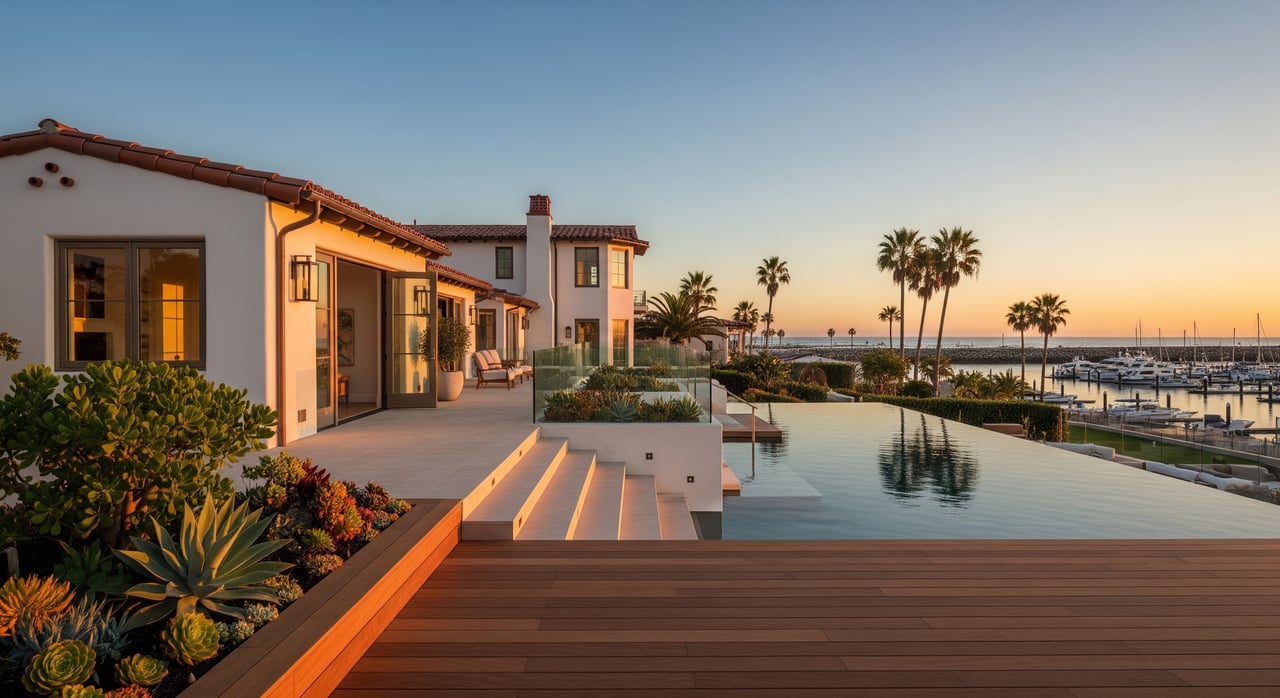
King Harbor is the city’s marina hub with boat slips, seafood spots, and a strong boating culture. You will find harbor-front condos and townhomes, plus a few single-family homes with water views. Nights are calmer than the pier, with a relaxed, maritime vibe.
Who it fits: If you love sailing, kayaking, paddleboarding, or simply living near boats and harbor views, this area offers that lifestyle.
Riviera Village district
Riviera Village centers around a walkable main street lined with boutiques, cafes, and a weekly market feel. The surrounding blocks mix modest single-family homes, duplexes, and small condos, including some mid-century styles. It has a small-town charm while staying close to the coast.
Who it fits: If you want a neighborhood with local shops, easy coffee runs, and a slower pace, this pocket delivers.
South Redondo interior
Move a bit inland and things get quieter. You see more single-family homes on varied lot sizes, with pockets of newer construction. The streets feel more suburban as you move away from the waterfront crowds.
Who it fits: If you value yard space, calmer streets, and an everyday neighborhood rhythm, look here.
Inland corridors and multifamily pockets
Along major corridors like Artesia and Hawthorne, you will find apartments, condos, and smaller single-family lots. Retail and services cluster along these routes, which are more car-oriented.
Who it fits: If you are a first-time buyer or renter looking for relative affordability compared with the waterfront, these areas are practical.
Beach access and recreation
Public beaches anchor life here. The main Redondo Beach shoreline by the pier is popular, and Torrance Beach to the south often runs less crowded. You will find lifeguards, playgrounds, and picnic areas along the sand.
If you love to bike, the Marvin Braude Bike Trail connects Redondo to neighboring beach cities. Many locals cruise to Hermosa and Manhattan for a smooth, ocean-view ride. Walkers also enjoy the waterfront paths and the pier.
Water sports are part of the culture. Residents surf, paddleboard, kayak, sail, and head out for sport fishing from the harbor. Families often spend time at Seaside Lagoon, a gated saltwater spot that is especially popular in warm months.
Expect more visitors on weekends, holidays, and classic sunny days. Parking near the pier and harbor is busiest then, so many residents bike or walk to the waterfront.
Daily services and dining
You can cover daily needs without leaving the city. Riviera Village brings independent boutiques and casual dining. The Pier and King Harbor area offer seafood and waterfront restaurants. Along Pacific Coast Highway and other corridors, you will find grocery stores, services, and day-to-day retail. Bigger-box shopping is more common just outside the immediate waterfront and toward neighboring cities.
Nightlife is moderate. Summer weekends on the water are lively, while most weeknights and inland blocks are relaxed. If you want a higher-energy late-night scene, nearby Hermosa Beach typically runs louder.
Schools are served by Redondo Beach Unified School District, with several public and private options. School performance and boundaries change, so review current information when you are ready to narrow your search.
Public services include local police and fire departments. Perceptions of safety can vary by neighborhood. If it is important to you, review current crime data by area as part of your decision.
Getting around and commutes
Redondo connects to the region through Pacific Coast Highway, Hawthorne Boulevard, and Artesia Boulevard. The I-405 sits a short drive to the east. Commute times shift a lot based on time of day, so plan with peak traffic in mind.
Local transit includes Beach Cities Transit and Los Angeles Metro bus lines for both local and regional service. There is no major passenger rail station in the center of Redondo. Reaching Metrolink or Metro rail typically requires a short drive or bus connection.
LAX is the nearest major airport, about 8 to 12 miles away. Depending on traffic, the drive can range from roughly 20 to 40 minutes.
Walkability depends on the pocket. The pier, harbor, and village areas are very walkable. Inland corridors lean more car-dependent. Cycling is common along the strand and local bikeways, though busy roads can feel less comfortable for casual riders.
Housing and market basics
Redondo’s housing stock is mixed: single-family homes, condos and townhomes, duplexes, and apartments. Waterfront and harbor-front homes are premium. Inland areas tend to offer more space and relative affordability.
If you are eyeing a condo or townhome, expect HOA dues and community rules. At the harbor, boat-slip logistics can add a layer of planning. Investors often focus on steady rental demand across condos and smaller single-family homes.
Coastal ownership comes with unique considerations. Insurance costs can be higher near the water. Salt air and wind may increase maintenance needs. Low-elevation lots can involve flood questions, and long-range planning around sea-level rise and coastal erosion continues in the region. When you get serious on a property, review FEMA maps, local planning documents, and your insurance options.
Market conditions shift with interest rates and seasonal patterns. When you are ready to make a move, use live data and neighborhood-level comps rather than citywide averages.
How to pick your pocket
Use this quick checklist to narrow the fit:
- Proximity to the sand: Do you want daily beach walks or a quieter inland street?
- Walkability vs space: Would you trade some privacy for being near shops and dining?
- Waterfront lifestyle: Is boating or harbor access a must-have?
- Commute reality: How will your route feel at 8 a.m. and 5 p.m. on a weekday?
- HOA comfort: Are you open to condo rules and dues for convenience and amenities?
- Long-term maintenance: How will coastal conditions affect your budget and timeline?
A sample day in Redondo
Start with a coffee in the village, then bike the strand toward Hermosa. Grab fish tacos on the pier and watch the surfers. In the afternoon, paddleboard at the harbor or take the kids to Seaside Lagoon. Finish with a neighborhood dinner where you can walk home under a sea breeze. That mix of active and easy is what people love here.
Ready to explore?
Whether you want a breezy condo near the water or a quiet single-family home inland, the right pocket will match your daily rhythm. When you are ready to tour neighborhoods, compare micro-markets, and access both on-market and curated opportunities, connect with Lucy Salem. We will help you move with confidence and enjoy the South Bay lifestyle.
FAQs
What is daily life like near the Redondo pier?
- Expect a lively, walkable scene with restaurants, beach access, and more visitors on weekends. Many residents bike or walk to avoid peak parking.
How does Redondo compare with Manhattan and Hermosa?
- Redondo offers more diverse housing and a marina lifestyle. Manhattan Beach often runs higher priced with upscale retail, and Hermosa typically has a louder nightlife core.
Are Redondo schools part of one district?
- Most of the city is served by Redondo Beach Unified School District, with additional private options. Review current boundaries and performance when deciding.
How crowded are the beaches year-round in Redondo?
- Crowds peak on summer weekends and holidays. Weekdays and early mornings are usually calmer, including at nearby Torrance Beach.
What are typical commute options from Redondo Beach?
- Major roads include PCH, Hawthorne, and Artesia, with access to I-405. Local bus service operates, and LAX is a short drive depending on traffic.
What should I know about buying near the harbor or beach?
- Budget for HOA dues if buying a condo or townhome, plan for coastal maintenance, and review insurance and flood considerations for low-elevation lots.